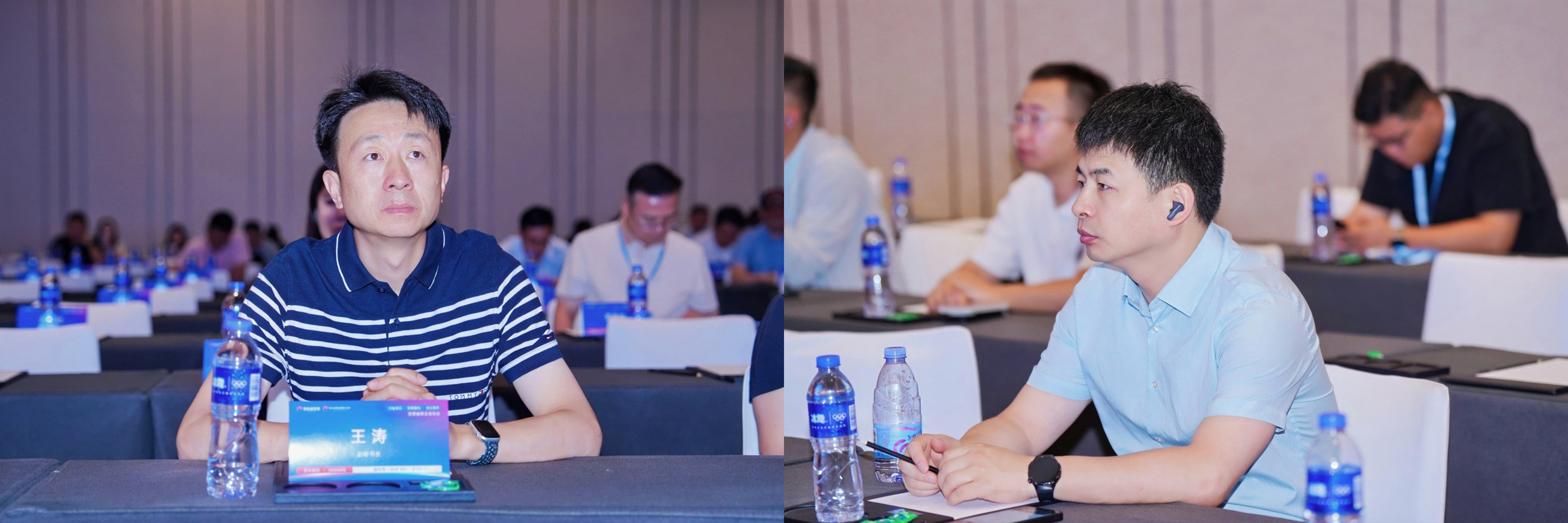
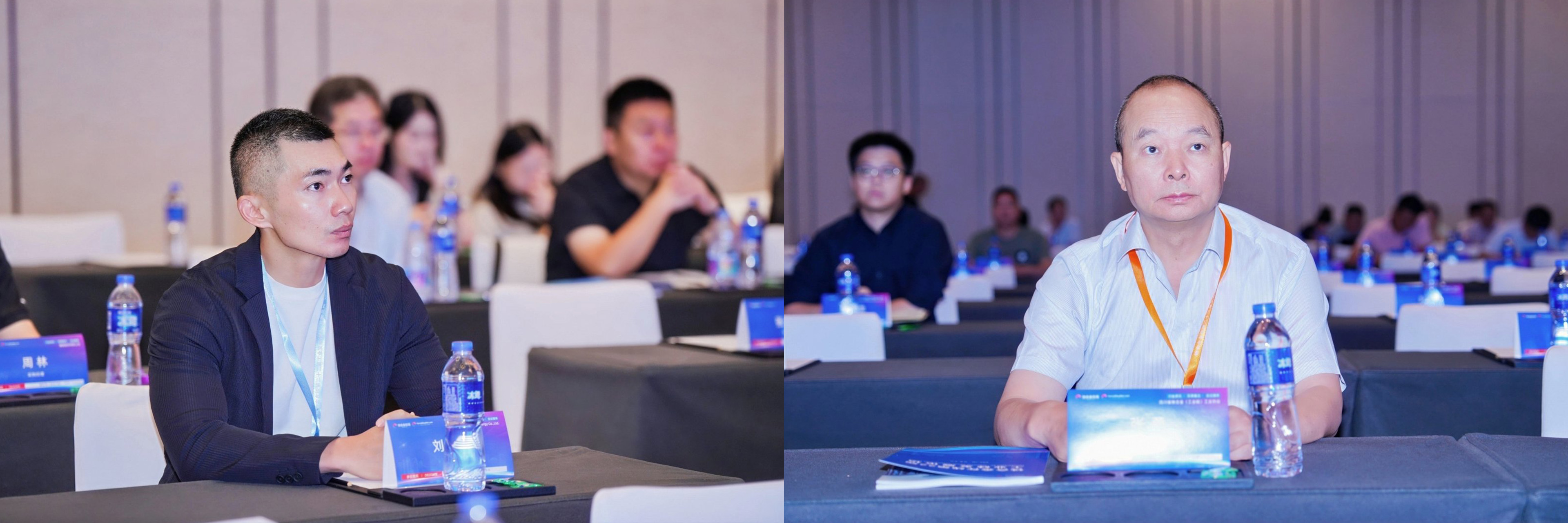
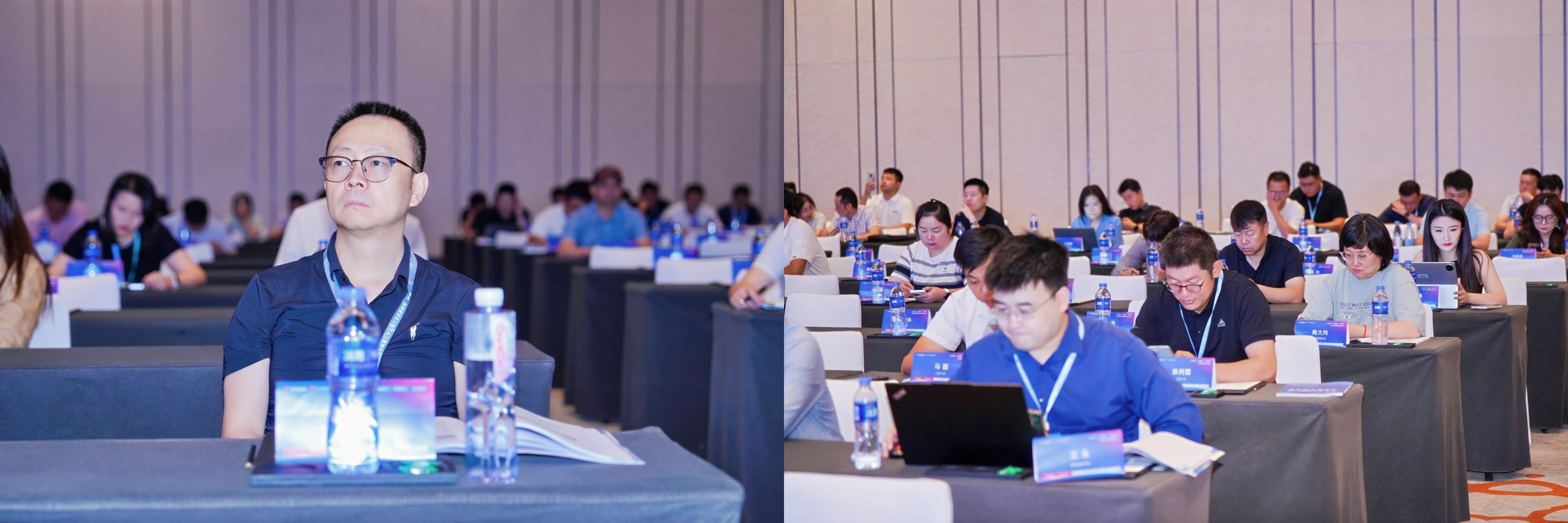
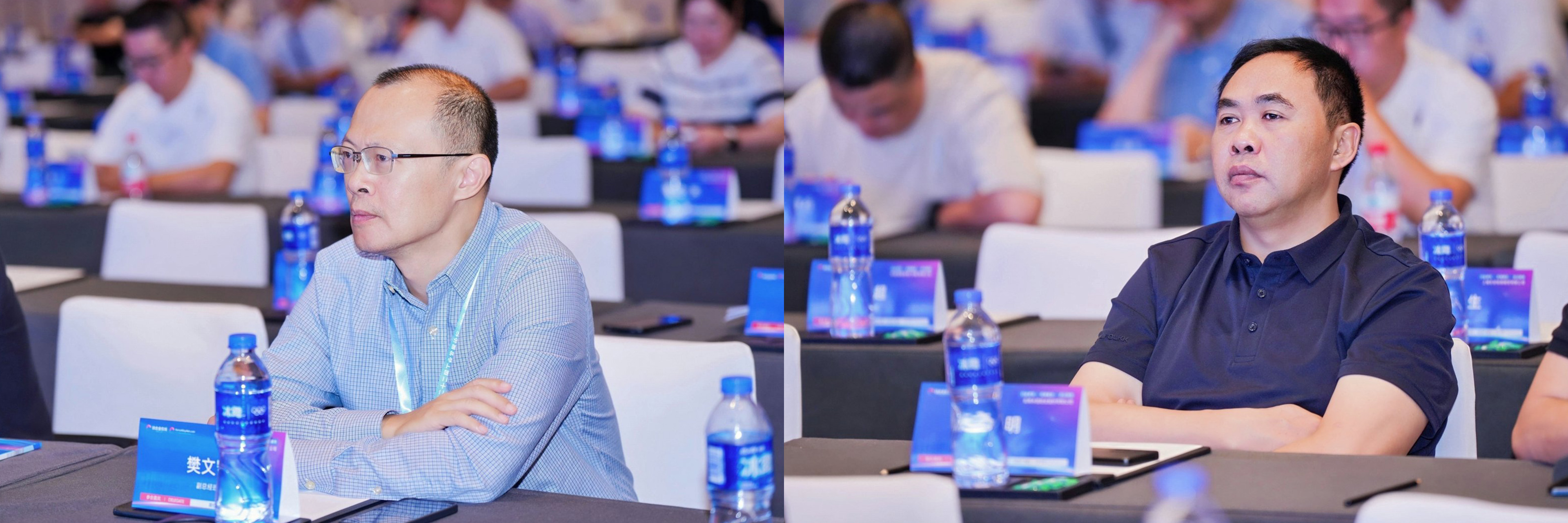
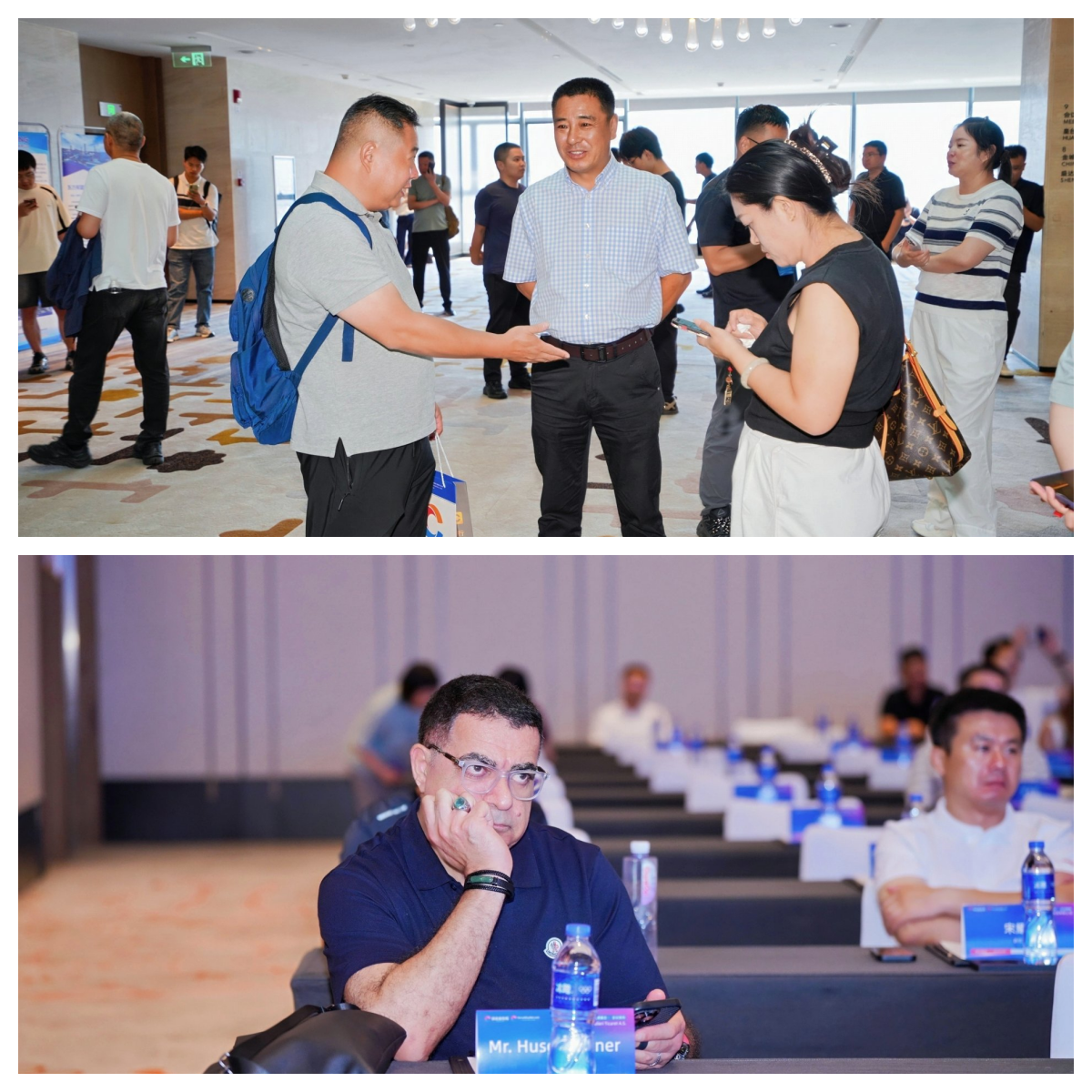
www.ferroalloynet.com: On August 6, the keynote presentation session of the FerrroAlloyNet 22nd Industrial Silicon Development Forum hosted by FerroAlloyNet officially commenced.
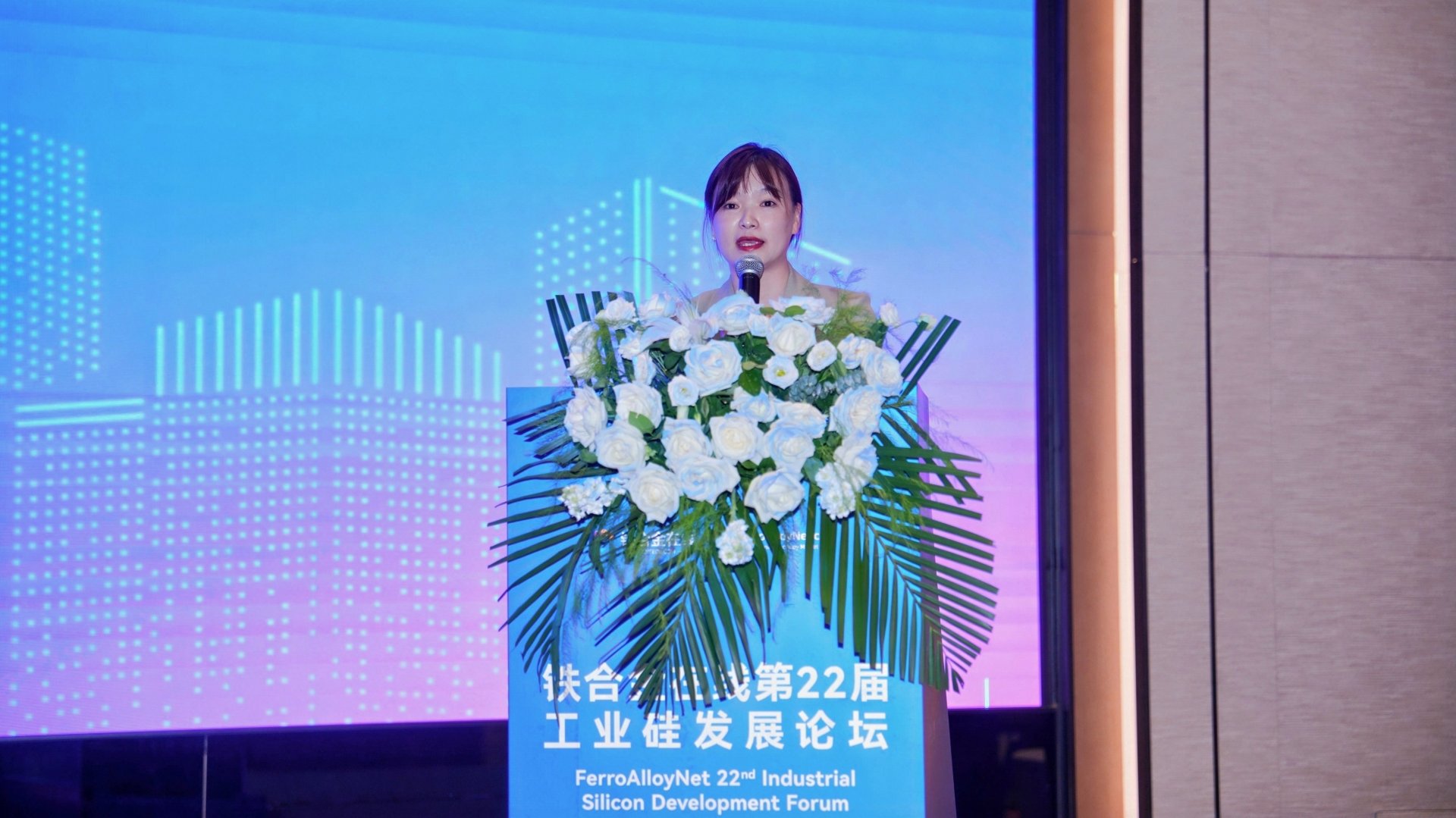
Chunxiu Ma, General Manager of the Product Business Division of FerroAlloyNet, delivered a speech. She expressed her sincere gratitude to the Gansu Ferroalloy Industry Association, the Sichuan Ferroalloy (Industrial Silicon) Industry Association, and all sponsoring enterprises. She stated that FerroAlloyNet will continue to dedicate itself to building an efficient and precise supply-demand matching platform, and expressed her anticipation for engaging with all parties in discussing strategies to break the deadlock, remove industrial chain barriers, and facilitate the implementation of collaborative outcomes. She concluded by wishing the conference a complete success.
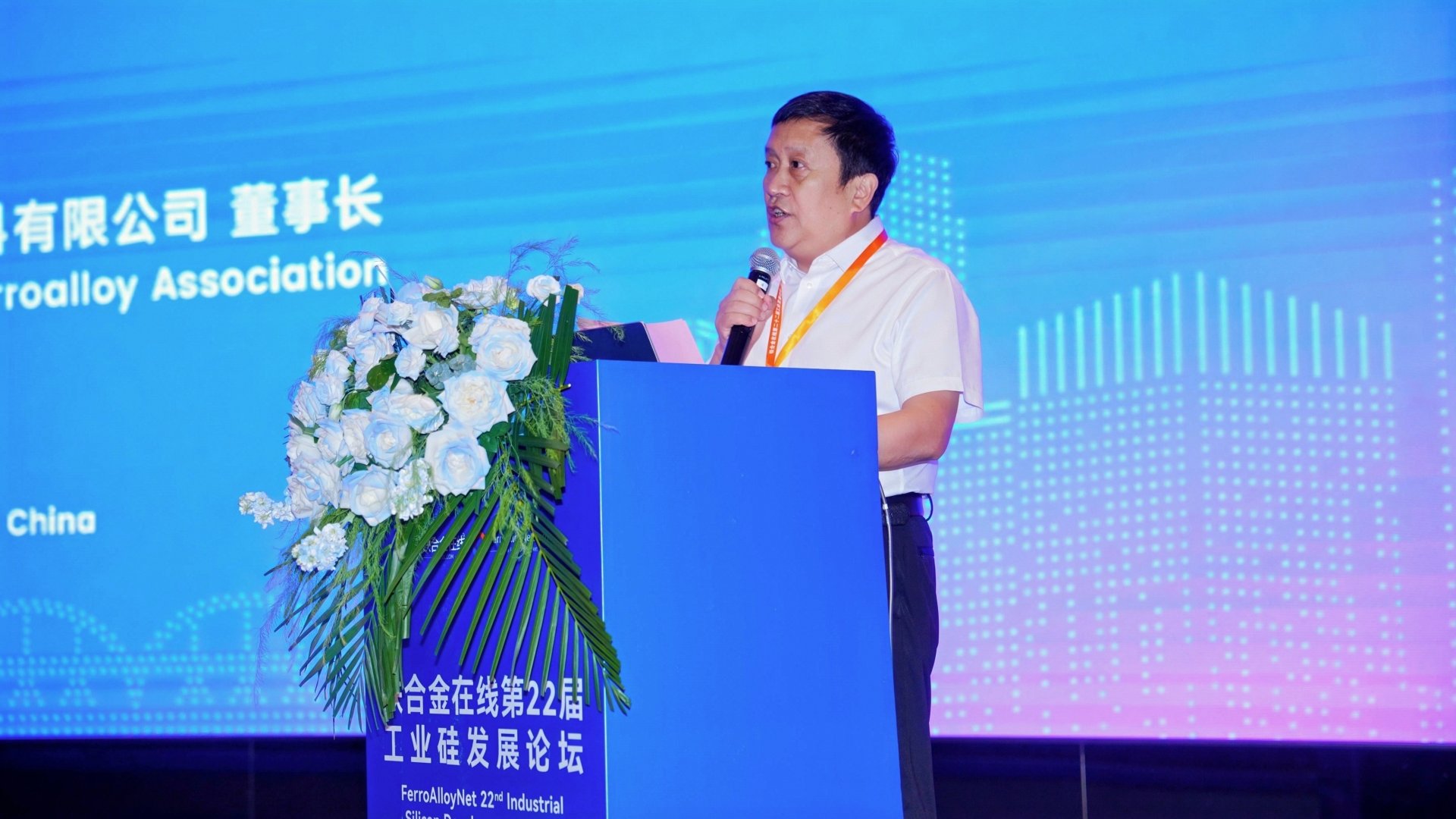
Jianmin Wang, President of the Gansu Hexi Silicon Industry New Materials Co., Ltd., delivered a speech. He emphasized that Gansu, as a core production hub for industrial silicon in China, has long provided solid support for the stable supply and green transformation of the national silicon-based industrial chain, leveraging its unique energy endowments, industrial foundation, and geographical advantages. He also expressed his expectation that, under the leadership of the association and leading enterprises, the silicon industry in Northwest China will continue to improve quality and efficiency, pursue green upgrading, and achieve coordinated development in the future.
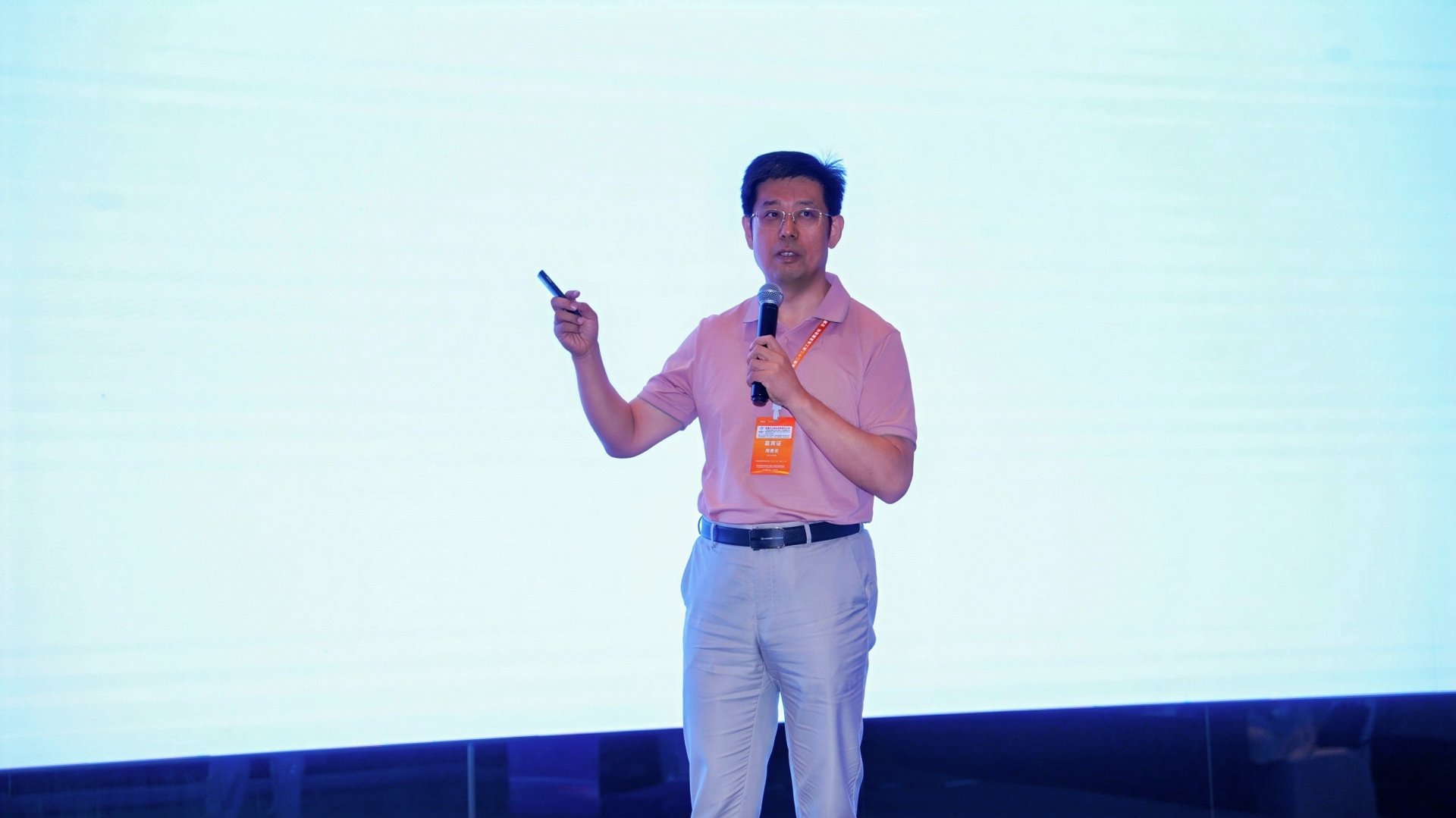
Professor Jinghong Zhou, from Changchun Institute of Technology delivered a keynote report titled An In-Depth Interpretation of China's Top-Level Energy Transition Policies in 2026. In the report, Professor Zhou provided an in-depth analysis from three dimensions: the "dual carbon" goals and national energy transition, the construction of a new-type power system, and the latest energy policy interpretations. He pointed out that achieving carbon neutrality requires a phased approach: sequentially reaching carbon peaking, rapid emission reduction, and then deep decarbonization in synergy with carbon sinks, ultimately attaining the carbon neutrality goal. At the same time, he systematically expounded on the new energy security strategy of "Four Revolutions and One Cooperation"—namely promoting revolutions in energy consumption, supply, technology, and institutional frameworks, while deepening international cooperation—and emphasized that "building a clean, low-carbon, safe, and efficient energy system" is the strategic core of the current energy revolution. The report provided the audience with a clear understanding of the policy logic, regulatory orientation, and development trends in the ongoing energy transition, offering valuable guidance and reference for the industry's compliant, green, and long-term development.
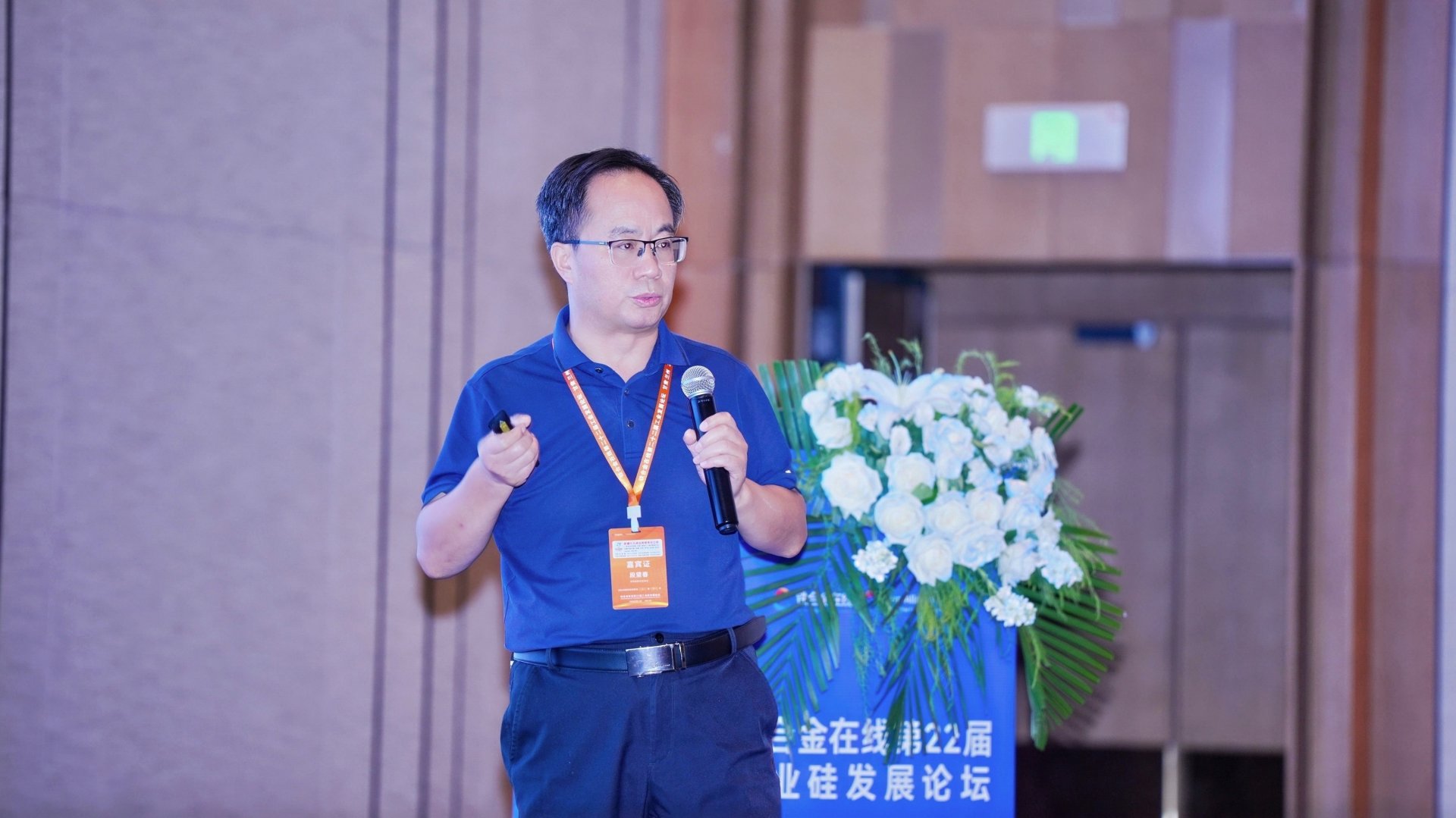
Wangchun Duan, Deputy Secretary-General of the Gansu Ferroalloy Industry Association and Senior Engineer at Lanzhou Resource and Environment Vocational and Technical University, delivered a speech titled The resource endowment of Northwest China and the silicon industry in Gansu develope symbiotically. The report deeply integrated the regional characteristics of Northwest China with the current state of the industry, providing a precise analysis of the development advantages, existing pain points, and upgrade pathways of Gansu's silicon industry. It offered clear ideas and direction for improving quality and efficiency, promoting green transformation, and advancing clustered development in the regional industry.
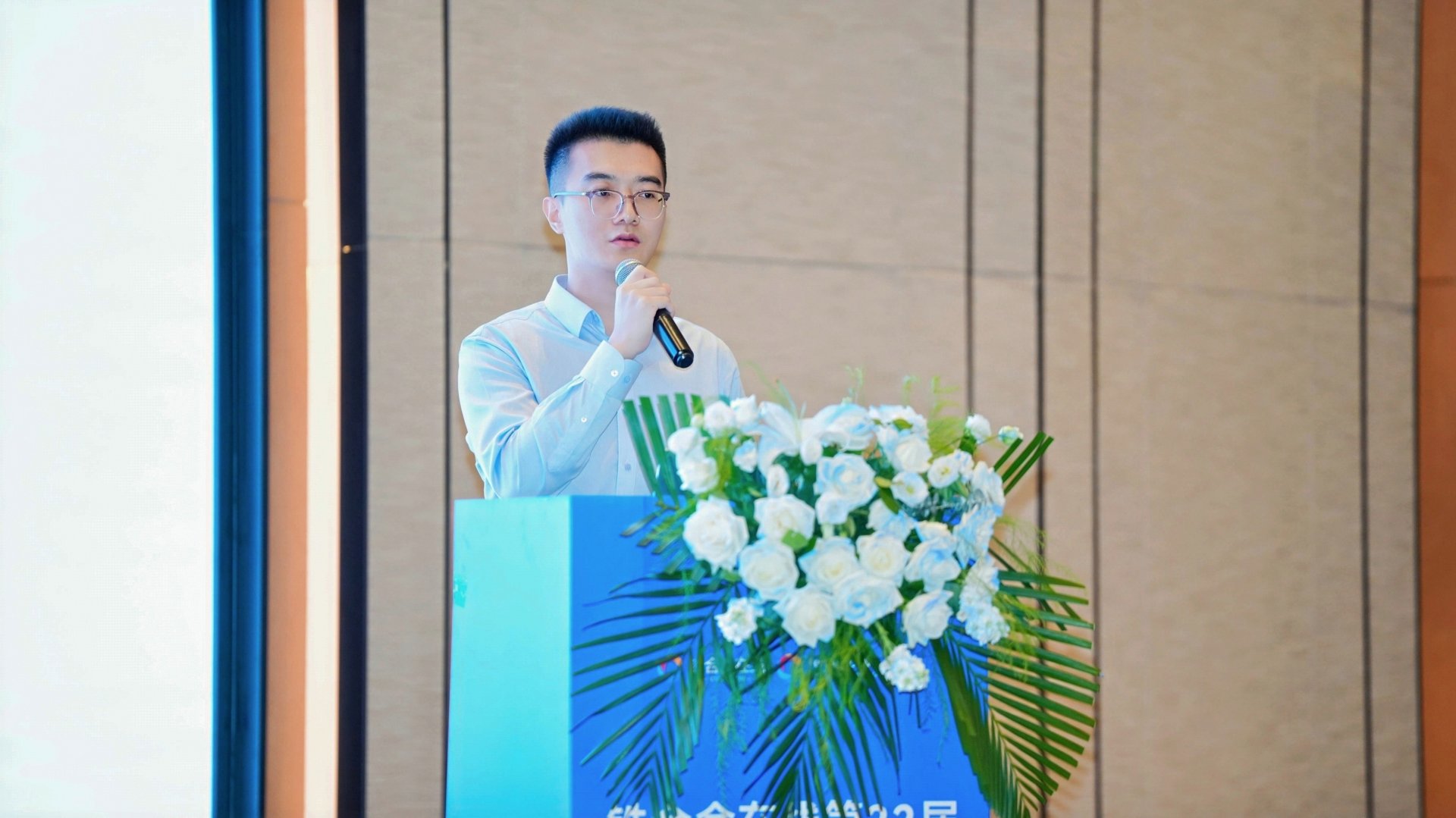
Hang Yang, Assistant Manager of the Market Development Department of the Guangzhou Futures Exchange, delivered a presentation titled Futures Supporting the High-Quality Development of the Silicon-Based Industry. The report provided a systematic exposition from four aspects: the positioning of the Guangzhou Futures Exchange and its variety listing plans, the operational status of industrial silicon and polysilicon futures, the functions of futures, and service measures alongside future work prospects. Regarding the functions of futures, he noted that industrial silicon and polysilicon futures have played significant roles in optimizing resource pricing, standardizing industry operations, enhancing price influence, and facilitating enterprise risk management, with the price discovery function gradually emerging. Looking ahead, Yang Hang stated that the Guangzhou Futures Exchange will continue to expand more varieties along the new energy industry chain, deepen international exchanges and cooperation to enhance global influence, strengthen delivery management and service support capabilities, while also reinforcing market supervision and risk prevention, improving the market cultivation system, optimizing investor services, and fully committing to serving the high-quality development of the silicon-based industry.
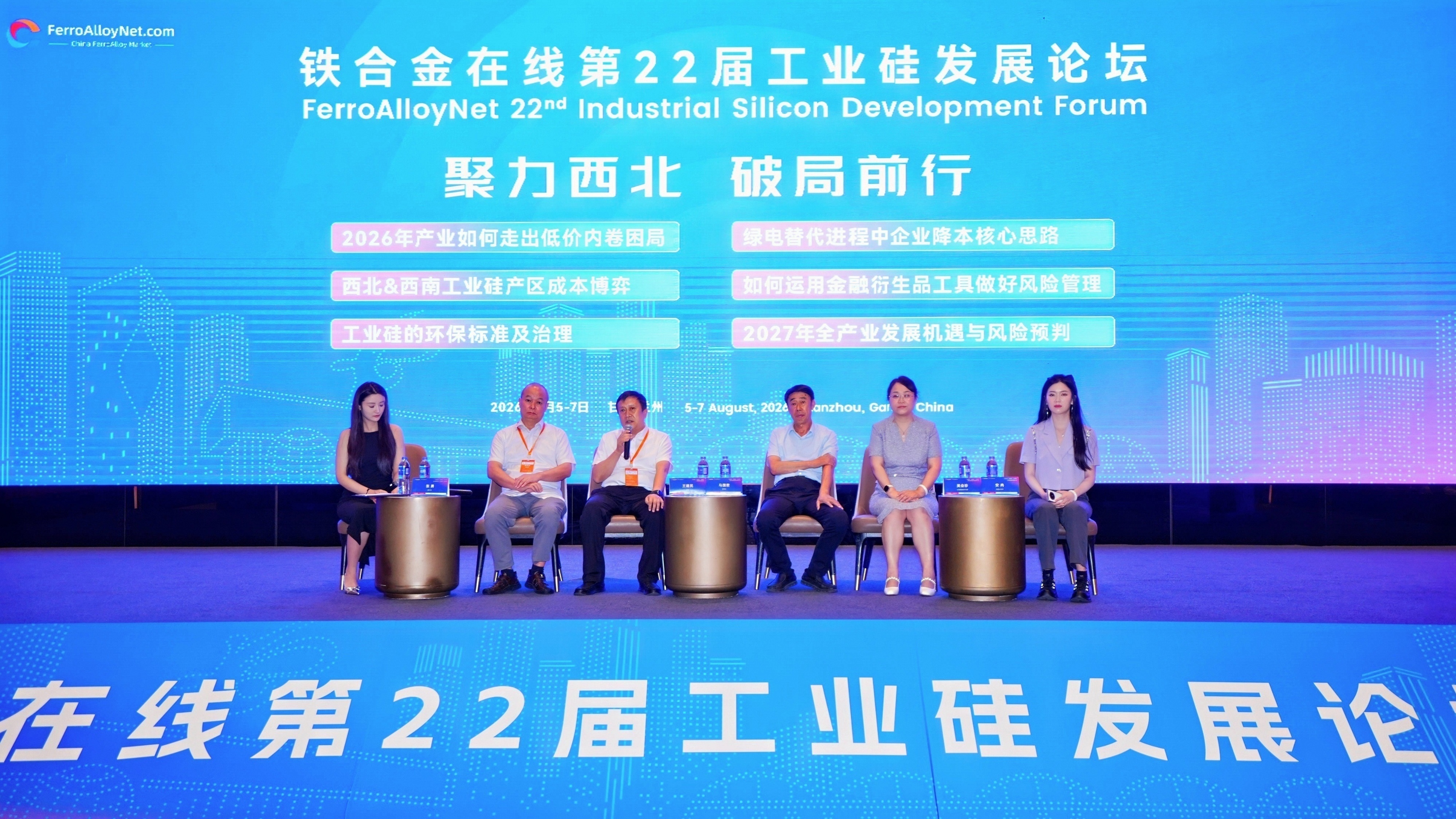
At approximately 11:20 AM, the premier roundtable forum themed "United in the Northwest – Breaking Through for Progress" officially commenced. Guests engaged in in-depth discussions and spirited debates on hot topics including how the industry can escape the low-price involution trap in 2026, core strategies for cost reduction for enterprises during the green power substitution process, the cost competition between Northwest and Southwest industrial silicon production hubs, the application of financial derivatives for risk management, environmental protection standards and governance for industrial silicon, and the development opportunities and risk outlook for the entire industry in 2027.
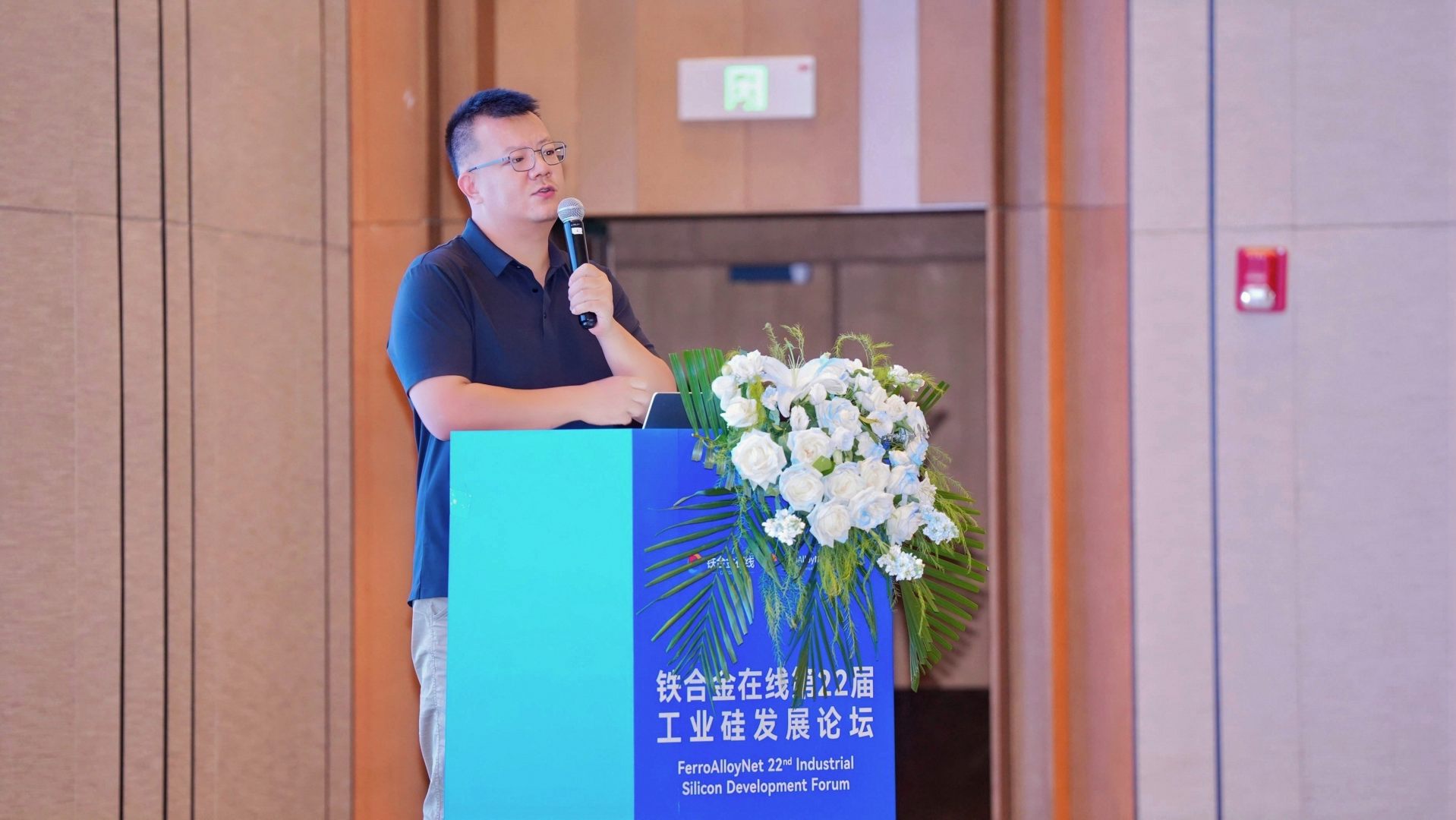
Zhen Jia, Deputy Director of the Enterprise Green Governance Center at the Environmental Planning Institute of the Ministry of Ecology and Environment, delivered a speech. He first presented data illustrating the remarkable transformation of China's ecological environment over the past decade: the proportion of surface water with good quality has increased by 26.9 percentage points, and PM2.5 concentrations have dropped by more than 61%, laying a solid macro foundation for industry transformation. Focusing on industrial silicon, he noted that production capacity and output have grown more than fourfold over the past decade, accounting for nearly 80% of global production, with accelerated concentration in Northwest China, while governance pressures exist across the three major downstream sectors simultaneously. At the management level, he outlined policy instruments including environmental protection catalogues, energy efficiency benchmarks, green finance, carbon markets, and green factories. He also proposed five lines of defense for whole-process management and a four-step pathway from compliance to leadership, clearly identifying six policy dividend directions for enterprises.
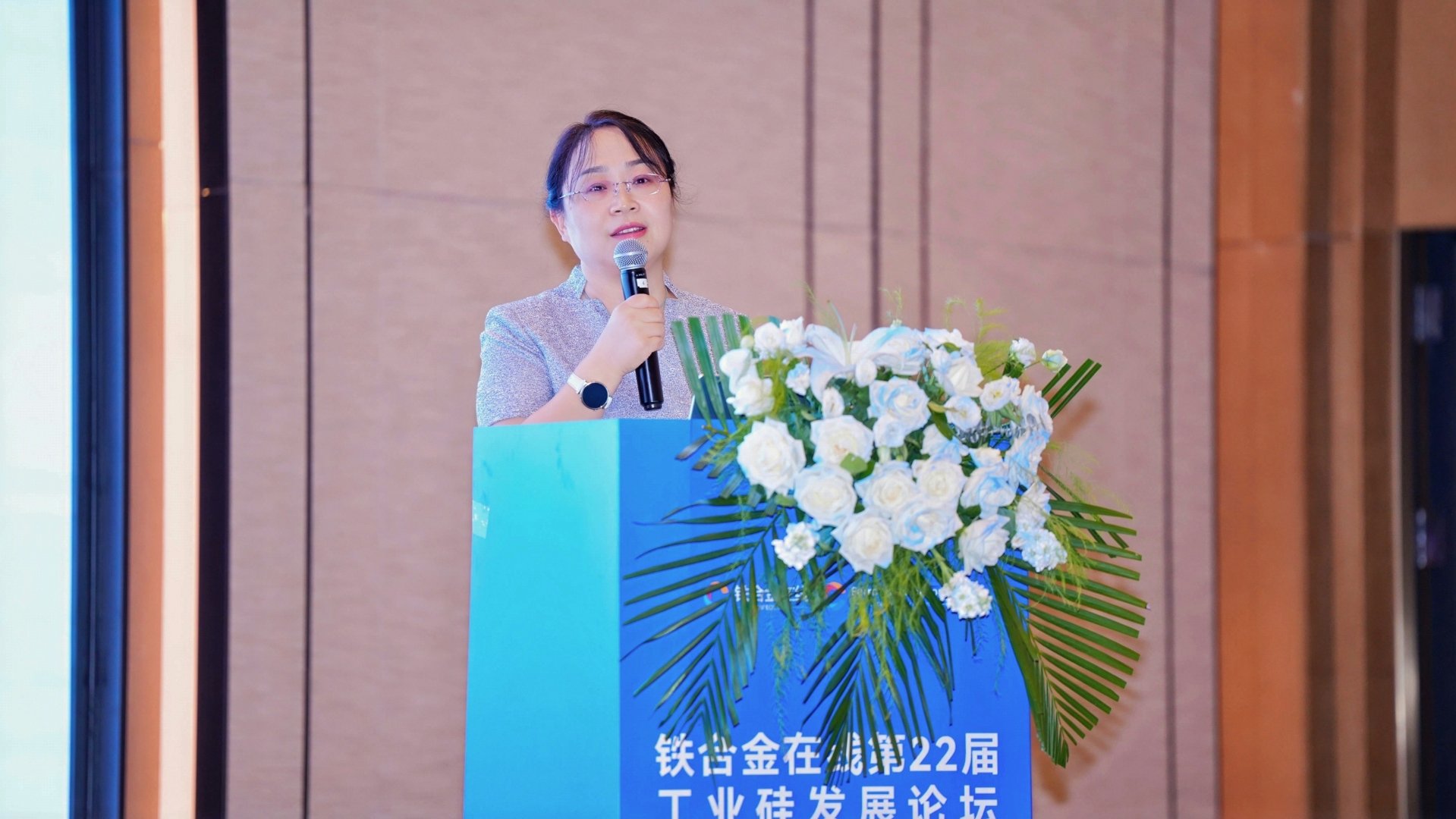
Huizhen Wu, Senior Technical Expert at Xi'an Longjing Environmental Protection Technology Co., Ltd., delivered a systematic presentation on the current status of flue gas treatment in industrial silicon production, emission standards, technical systems, and engineering case studies. She pointed out that flue gas from submerged arc furnaces faces challenges such as complex dust composition, unstable operating conditions, and difficulties in coordinated regulation, compounded by increasingly stringent standards and persistently high treatment costs. To address these pain points, she proposed customized integrated solutions that balance stable operation with compliance, while reducing costs and eliminating secondary pollution. She also presented typical application cases, including "high-temperature denitrification + wet desulfurization" approaches. In the final part of her presentation, she briefly introduced the company's technical capabilities and core products in the field of industrial silicon environmental governance.
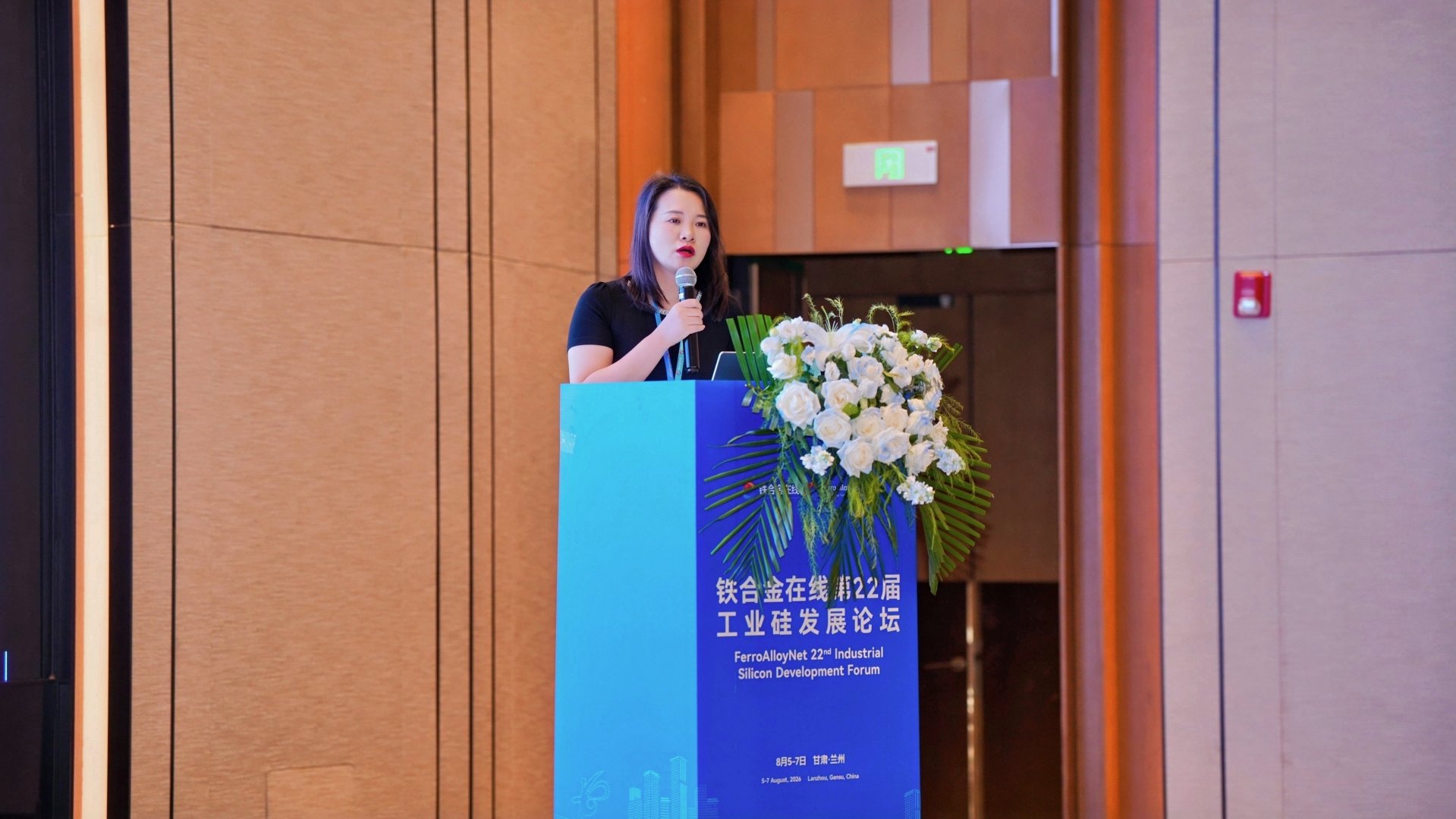
Yang Yang, Industrial Silicon Analyst at FerroAlloyNet, delivered a keynote report, providing an in-depth analysis from four dimensions: current market conditions, production resumption during the wet season, inventory and price challenges, and the reality of "weakness on both supply and demand sides." She pointed out that in 2026, effective production capacity for industrial silicon reached 9.5 million tons, yet the industry faces a severe reality of persistently high inventories that are difficult to reduce, losses incurred as soon as furnaces are started due to cost inversion, and continued price depression. The fundamental reason for the sluggish production resumption during the wet season is that prices have already fallen below the cost line, making proactive production cuts by enterprises a rational choice, as effective capacity cannot be truly released in a loss-making environment. High inventories continue to cap price recovery, and the duration of price bottoming depends critically on the pace of policy implementation and the progress of demand recovery. Looking ahead, she noted that photovoltaic installations have grown continuously over the past decade, with accelerated growth from 2022 to 2025 and a slight pullback in 2026, but long-term growth potential remains robust under the global "dual carbon" goals. The upcoming implementation of the "multi-user direct green power connection" policy is expected to accelerate the transfer of production capacity to clean energy-rich regions such as Sichuan, Yunnan, and Inner Mongolia, and the integrated "wind-solar-storage + silicon furnace" park model is likely to become an industry standard, providing a transformation pathway for the industry to emerge from its current difficulties.
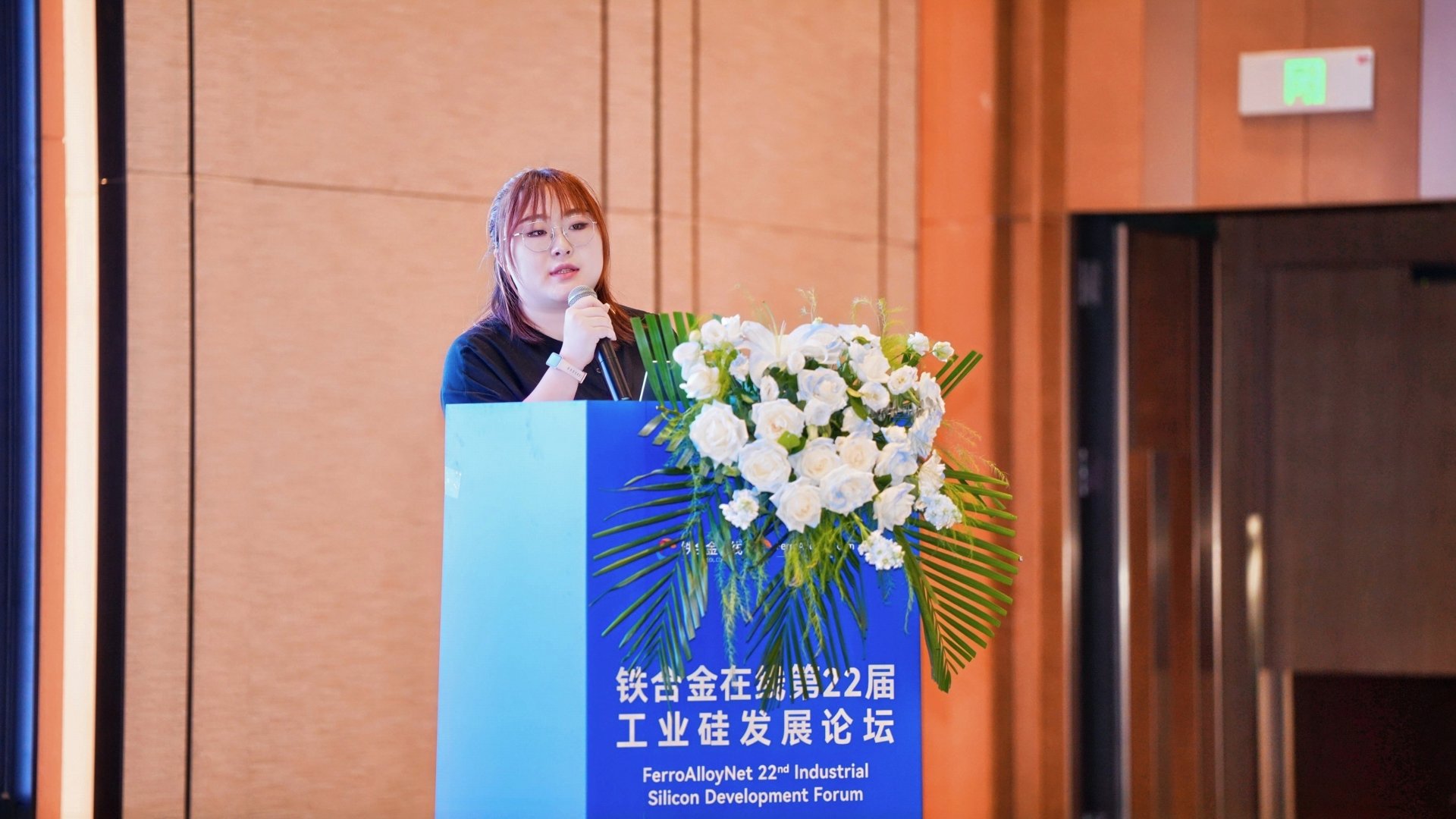
Yuting Bao, Polysilicon Analyst at FerroAlloyNet, delivered a presentation titled "2026 Polysilicon Trend Review and Analysis," providing an analysis from three dimensions: the current operational status of the photovoltaic industry, a review of the polysilicon market in the first half of the year, and short-term supply-demand forecasts. Regarding the photovoltaic industry, she systematically reviewed the current operational landscape from the perspectives of domestic installed capacity, industry chain price trends, total export volume, and export destinations. The review of the polysilicon market in the first half of the year showed that domestic production from January to June 2026 reached 535,700 tons, a decrease of 53,300 tons year-on-year. Major producers gradually suspended operations starting in January, with monthly output falling below 90,000 tons. The industry's average operating rate in the first five months was less than 30%, with the actual number of active producers shrinking to 10. In June, with the onset of the wet season in Southwest China, some major producers began to resume production, pushing monthly output back up to 93,000 tons. Regarding short-term supply-demand forecasts, she projected that polysilicon production from July to September 2026 would grow month by month (from 109,700 tons in July to 122,000 tons in September), while silicon wafer output would slightly decline (from 53.1 GW to 51.0 GW). Polysilicon net exports are expected to maintain a small net import position each month. Taken together, the supply surplus in the third quarter is forecast to expand month by month (from 13,600 tons to 24,600 tons), indicating a trend toward increasingly loose supply conditions, providing an important reference for the subsequent trajectory of the industry chain.
A day of intense intellectual exchange and multifaceted wisdom. From policy foresight to technological pathways, from cost competition to market forecasts, this conference has charted the industry's course with a comprehensive vision and forged consensus on cooperation through pragmatic dialogue. Against the tide of low-carbon transition and quality upgrading, the Northwest production hub stands at a new historical juncture. The participating guests unanimously agreed that only by breaking down barriers and fostering collaborative innovation can new opportunities be created amidst change. Though the forum has concluded, the collective pursuit of development continues unabated. We look forward to the second half of 2026 and beyond, as the industrial silicon industry writes an even more brilliant chapter on its green journey.